
Pain Managment Procedures
Pain Managment Procedures
Pain Management Procedures encompass a comprehensive field of medicine focused on alleviating and controlling both acute pain (short-term, often related to injury or surgery) and chronic pain (long-lasting pain that persists beyond expected healing time). At Purohit Hospital, this service recognizes that effective pain control is critical to a patient’s quality of life and is crucial for successful rehabilitation following procedures like Orthopaedic Operations.
The Multidisciplinary Approach to Pain
Effective pain management is rarely achieved with a single method. Purohit Hospital’s approach is often multidisciplinary, integrating various interventional and non-interventional techniques to develop a customized treatment plan.
1. Interventional Procedures: Targeting the Source
These procedures involve minimally invasive techniques to directly target the nerves or areas responsible for transmitting pain signals. They are often performed in the hospital’s specialized settings:
-
Nerve Blocks: Injecting an anesthetic and/or steroid medication directly onto or near specific nerves or nerve clusters to interrupt pain signals, providing temporary or long-lasting relief.
-
Epidural Steroid Injections: Commonly used for managing chronic back and leg pain (sciatica) caused by spinal issues like herniated discs. Medication is injected into the epidural space of the spine.
-
Radiofrequency Ablation (RFA): Using heat generated by radio waves to “turn off” the pain signaling capacity of a specific nerve, offering longer-term relief for chronic joint or back pain.
-
Joint Injections: Injecting medication (steroids or lubricants) directly into painful joints (such as the knee or shoulder) to reduce inflammation and discomfort, especially useful for arthritis.
2. Non-Interventional and Allied Therapies
These therapies complement interventional procedures and surgery, focusing on long-term functional improvement and pain coping strategies:
-
Pharmacological Management: Carefully prescribing and managing medications, including non-opioid pain relievers, anti-inflammatories, and nerve-specific medications.
-
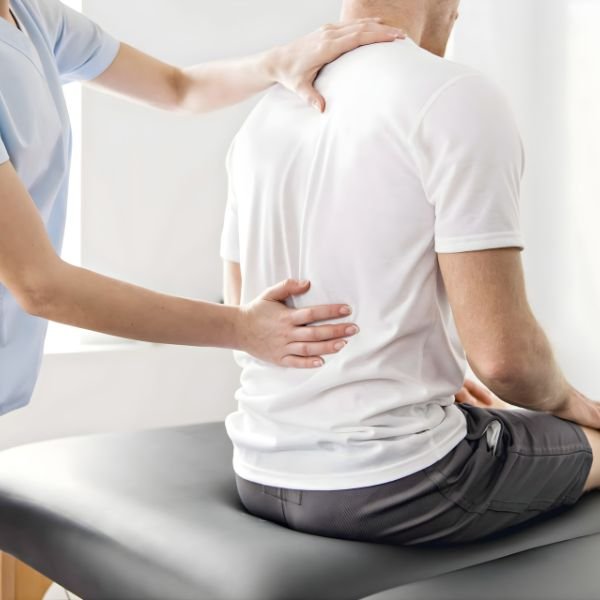
Physiotherapy Treatment: This is a crucial element, focusing on exercises and techniques to strengthen supporting muscles, improve mobility, and reduce pain through movement therapy.
-
Psychiatric Treatment: For patients whose chronic pain significantly impacts their mood or daily functioning, consultation with the Psychiatric Treatment team can provide coping mechanisms and support.
Pain Management in Post-Surgical Recovery
Pain management is especially vital for patients undergoing major procedures, such as ORTHOPAEIDIC OPERATIONS or GENERAL SURGERY OPERATIONS. Good post-operative pain control facilitates:
-
Faster Mobilization: Allowing patients to move and begin physiotherapy earlier, which is critical for recovery and preventing complications.
-
Reduced Hospital Stay: Improved comfort and function expedite the discharge process.
Get In Touch
Interested in exceptional healthcare and a compassionate path to recovery? If you have questions about our specialized treatment—including Orthopaedic Operations, Laparoscopic Surgeries, Comprehensive Medical Treatment, or if you require guidance on room availability or consultant appointments at the Purohit Medical Center don’t hesitate to reach out.
We are dedicated to providing ethical, exceptional support and are committed to assisting you with all your health needs. Contact our experienced staff and medical experts today.
Modern Facilities
The hospital features a Modern Operation Theatre equipped with advanced technology necessary to safely undertake any supra-major surgeries.
Advanced Procedures
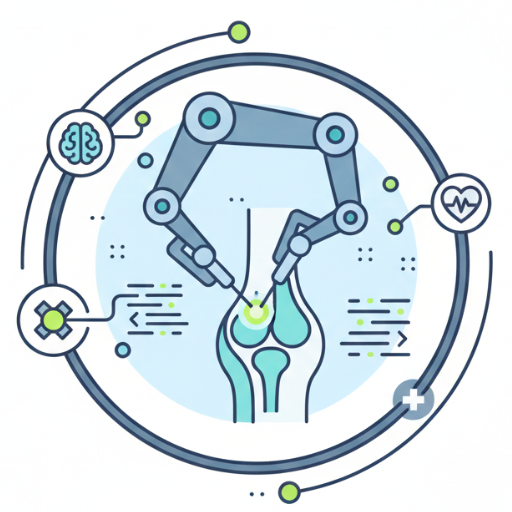
We regularly utilize and perform sophisticated, minimally invasive techniques like Laparoscopic (Key hole) surgeries and specialized procedures such as Arthroscopy Operations.
Expert Surgeons
Our team includes the most experienced surgeons across all specialized branches, ensuring proficiency and high standards of care for complex cases.